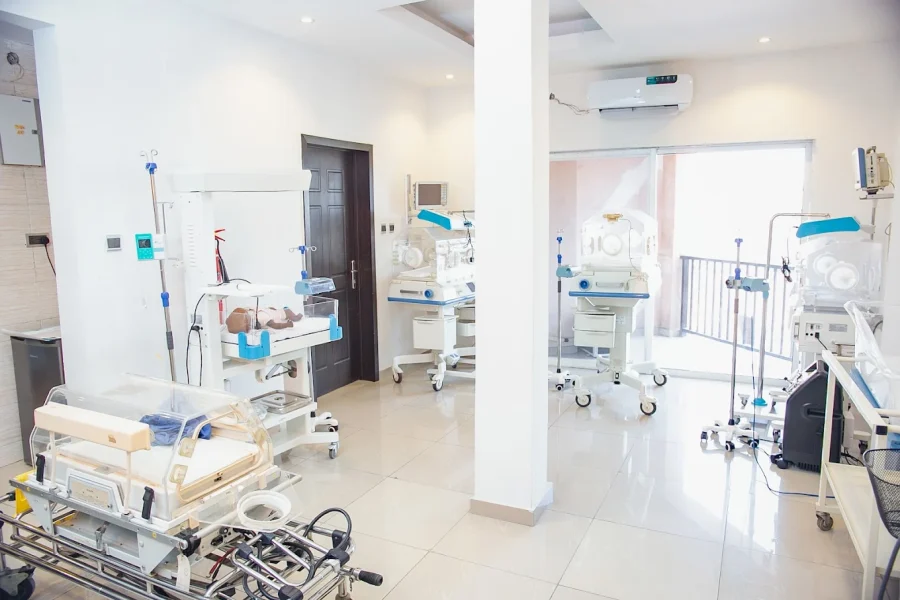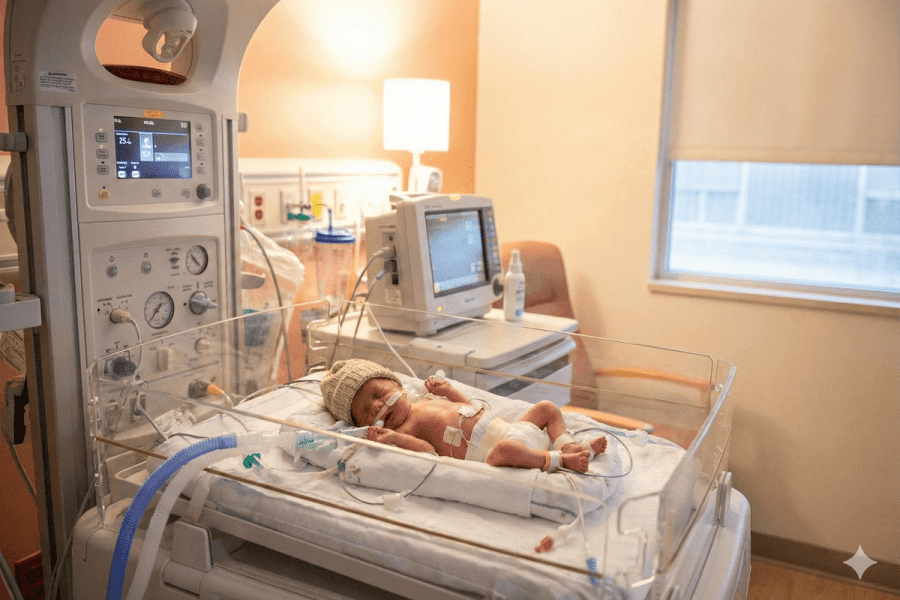
Walking into a Neonatal Intensive Care Unit (NICU) for the first time can feel overwhelming for a new parent. You want to hold your baby, but instead, you see them surrounded by technology. It is natural to feel frightened, but every single wire and machine in this room has one job—to mimic the safety of the womb and buy your baby time to grow.
To help you feel more empowered and less anxious during your visits, here is a guided tour of the essential equipment you will see in the NICU and exactly what they do.
Environmental & Temperature Control
Premature babies often lack the body fat needed to regulate their own body temperature. These devices act as an “external womb.”
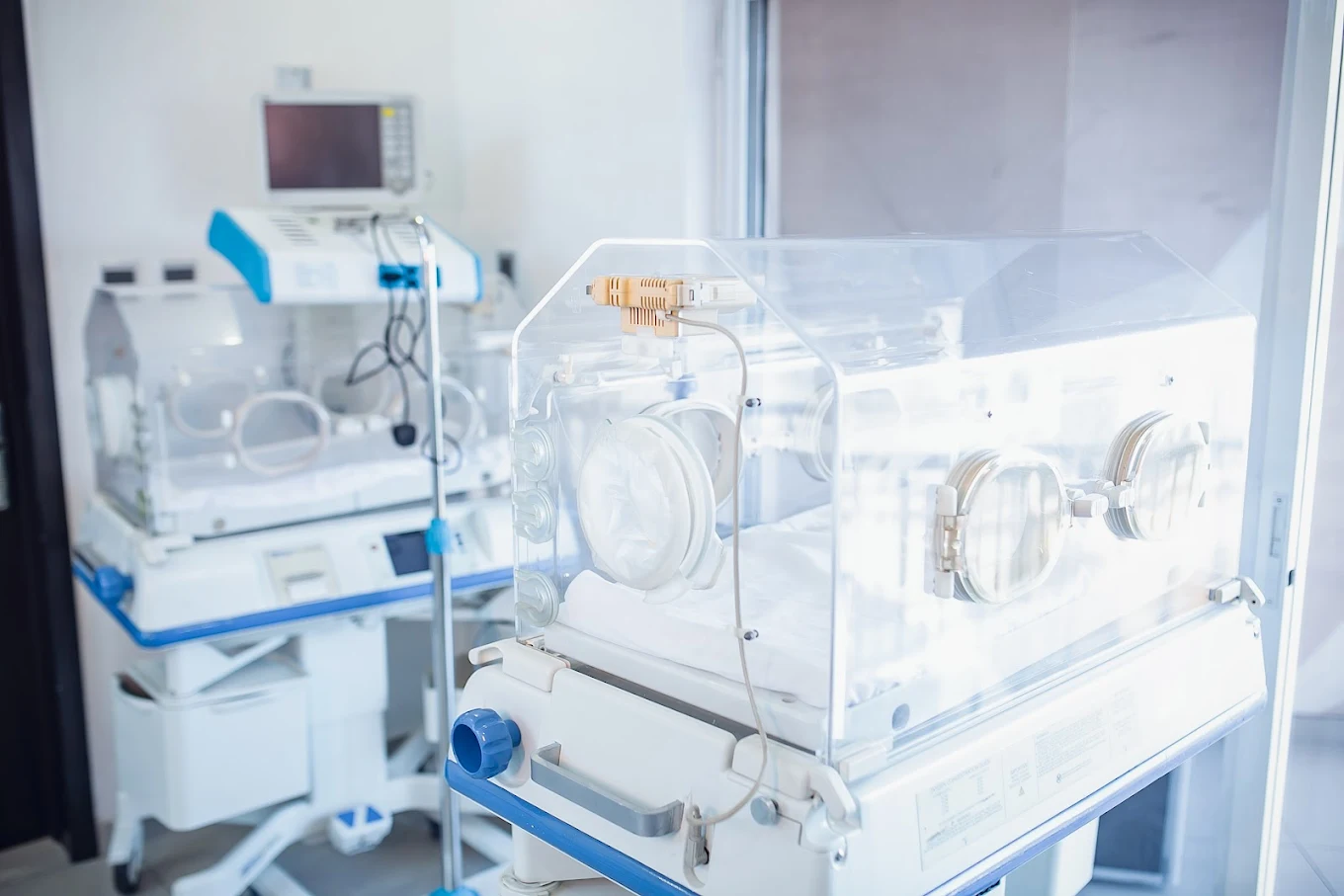
1. Incubators (Isolettes)
This is the most iconic piece of NICU equipment—a clear, enclosed plastic crib that looks like a box.
- What It Does: It maintains a perfectly consistent, warm temperature and humidity level.
- Why It’s Important: It protects the baby from noise, drafts, and germs while allowing nurses to monitor them through the clear walls.
2. Radiant Warmers (Open Isolettes)
Unlike the enclosed incubator, this is an open bed with a specialized heating element suspended overhead.
- What It Does: It keeps the baby warm while allowing the medical team full, unobstructed access to the baby.
- Why It’s Important: These are typically used for critically ill babies who need frequent procedures, or immediately after birth so doctors can work without opening and closing doors.
3. Heel Warmers
- What It Does: A small chemical heat pack applied to the baby’s foot for a few minutes.
- Why It’s Important: It increases blood flow to the heel area, making it faster and less painful to draw blood for necessary tests.
Respiratory Support
One of the biggest challenges for preemies is immature lungs. Respiratory equipment ranges from a little help to full life support.
1. Nasal Cannula & Oxygen Hoods (Low Support)
- What It Is: Small, soft prongs placed in the nostrils or a clear plastic dome over the head.
- Why It’s Important: This is for babies who can breathe on their own but need a little “boost” of extra oxygen to keep their levels up.
2. CPAP (Continuous Positive Airway Pressure)
- What It Is: A small mask or larger prongs that fit snugly on the baby’s nose.
- What It Does: It pushes a continuous, gentle stream of air into the airways.
- Why It’s Important: This pressure keeps the lungs inflated so they don’t collapse after every breath. It is vital for babies who are breathing but getting tired.
3. Ventilators (High Support)
- What It Is: A machine connected to a breathing tube (Endotracheal or ET tube) placed down the baby’s windpipe.
- What It Does: It breathes for the baby or synchronizes perfectly with their tiny breaths.
- Why It’s Important: This is life-saving technology for babies whose lungs are too sick or immature to function on their own.
4. ECMO (The “Last Resort”)
- What It Is: Extracorporeal Membrane Oxygenation—essentially a heart-lung bypass machine.
- Why It’s Important: This is a Level 4 NICU capability. It pumps blood out of the body, adds oxygen, removes carbon dioxide, and pumps it back in, giving the baby’s heart and lungs a complete rest to heal.
5. Nebulizer
- What It Does: Delivers medication in a fine mist to help open up tight airways and make breathing easier.
Monitoring Systems
If you hear beeping, don’t panic. Most alarms are just “warnings” to alert the nurses, not emergencies.
1. Cardiopulmonary / Apnea Monitor
- What It Is: Three sticky pads (leads) placed on the baby’s chest/tummy.
- Why It’s Important: It tracks heart rate and breathing rate. It alerts the team if the baby has Apnea (forgets to breathe) or Bradycardia (heart rate drops)—both very common in preemies.
2. Pulse Oximeter
- What It Is: A small red light strapped to the baby’s foot or hand with a soft bandage.
- Why It’s Important: It measures “O2 Sats” (oxygen saturation in the blood). It ensures the baby is getting enough oxygen to the brain without getting too much (which can damage their developing eyes).
3. Blood Pressure Monitor
- What It Is: A tiny cuff placed on the arm or leg to check circulation health.
Feeding & Nutrition
1. Feeding Tubes (NG/OG Tubes)
- What It Is: A tiny, soft tube inserted through the nose or mouth directly into the stomach.
- Why It’s Important: Babies born before 32–34 weeks haven’t learned the “suck-swallow-breathe” coordination yet. This tube delivers breast milk or formula safely so they can grow without the exhaustion of eating.
2. Breast Milk Warmer
- What It Does: Gently warms stored breast milk to body temperature.
- Why It’s Important: Standard microwaves can destroy vital antibodies in breast milk; these warmers preserve the “liquid gold” immune boosters your baby needs.
3. Diaper Scale
- Why It’s Important: In the NICU, urine isn’t just waste; it’s a vital sign. Weighing wet diapers tells doctors exactly how well the kidneys are functioning and if the baby is hydrated.
IV Therapy & Phototherapy
1. Umbilical Catheter
- What It Is: A tube placed into the umbilical cord stump (belly button).
- Why It’s Important: Used immediately after birth, it provides painless access to give fluids and draw blood without poking the baby with needles.
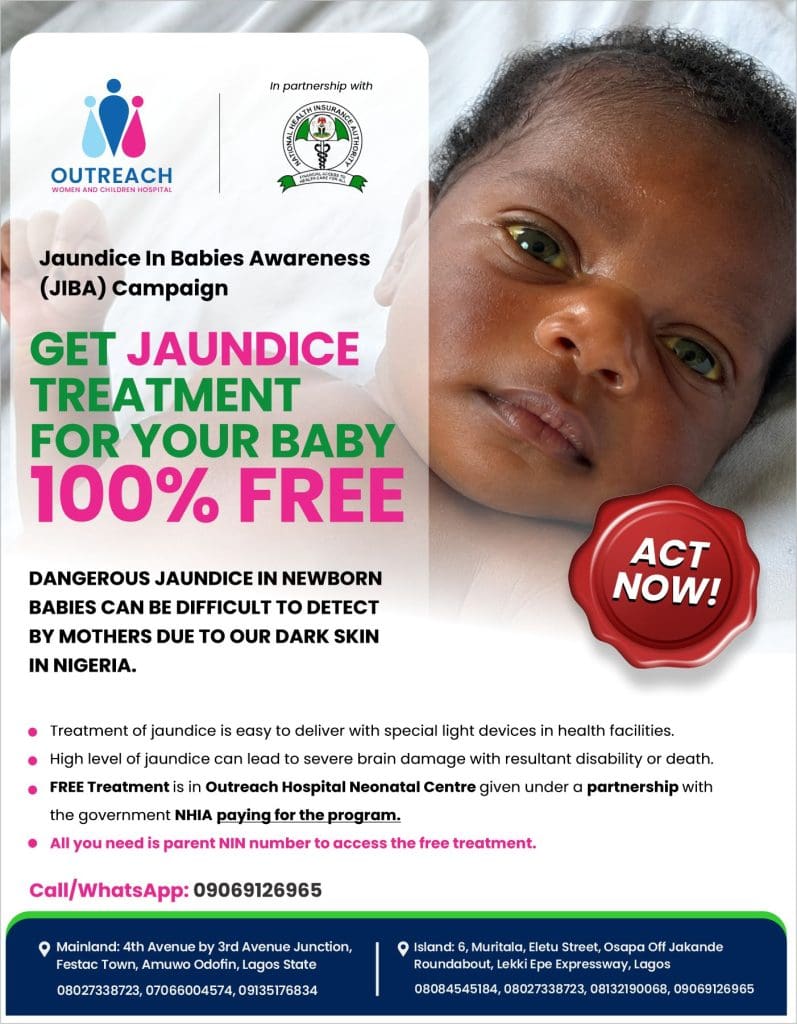
2. Bililights (Phototherapy)
- What It Is: Blue fluorescent lights placed over the incubator.
- Why It’s Important: Jaundice (yellowing of the skin) is very common in Nigeria. These lights break down bilirubin in the skin so the baby can pass it out in their diaper, protecting their brain from damage.
Conclusion
While the wires and machines look intimidating, remember that they are there to support your baby while they do the hard work of growing. Never be afraid to ask a nurse, “What does this machine do?” or “Why is that beeping?”
However, the best equipment in the world is useless without the right hands to operate it.
At Outreach Women & Children Hospital, our Level 3 NICU is equipped with the advanced life-saving devices listed above—from high-frequency ventilators to ECMO support. But machines don’t save babies; people do. Our technology is powered by Dr. Efunbo Dosekun’s 40 years of pediatric expertise and a nursing team that treats every baby like their own.
Don’t leave your baby’s care to chance. Trust the hospital that has the right tools and the right hands.
Need Emergency Neonatal Care? Contact Us 24/7:
Call/WhatsApp: 0906 912 6965 | 0913 517 6834
Visit: www.outreachhospital.com