Every expectant parent in Lagos prays for a smooth delivery and a healthy, crying baby. But unexpected complications can turn that joy into anxiety very quickly. Many parents assume that every hospital with a “Maternity Ward” can handle a sick baby. This is a dangerous misconception.
Newborn care is ranked by Levels (I to IV). Understanding these levels isn’t just medical jargon—it is the difference between a hospital that can only swaddle a healthy baby and one that can perform life-saving surgery on a baby born weighing less than a packet of sugar.
Here is a breakdown of the levels of care, so you can ask the right questions and have the right information ahead of time.
Level I: Well Newborn Nursery (Basic Care)
This is the standard of care found in many Primary Health Centers (PHCs), smaller private clinics, and birthing homes across Nigeria. These units are designed for babies who arrive on time and are generally healthy.
- What They Do: They are excellent at routine postnatal care—bathing, immunizations, and supporting breastfeeding moms. They can stabilize a sick baby for a few hours, but they must transfer them to a bigger hospital if problems persist.
- A Level I Unit Should Have:
- Nurses trained in basic newborn resuscitation.
- A doctor or pediatrician available on call (not necessarily on-site 24/7).
- A Level I Unit Can Handle:
- Healthy, full-term babies (born after 35–37 weeks).
- Babies who are breathing well on their own and can maintain their body temperature without an incubator.
Level II: Special Care Nursery (SCN)
Often called “Special Care,” these units are a step up. They can handle babies who are moderately ill or born slightly premature. In Lagos, you might find these in larger General Hospitals or standard private hospitals.
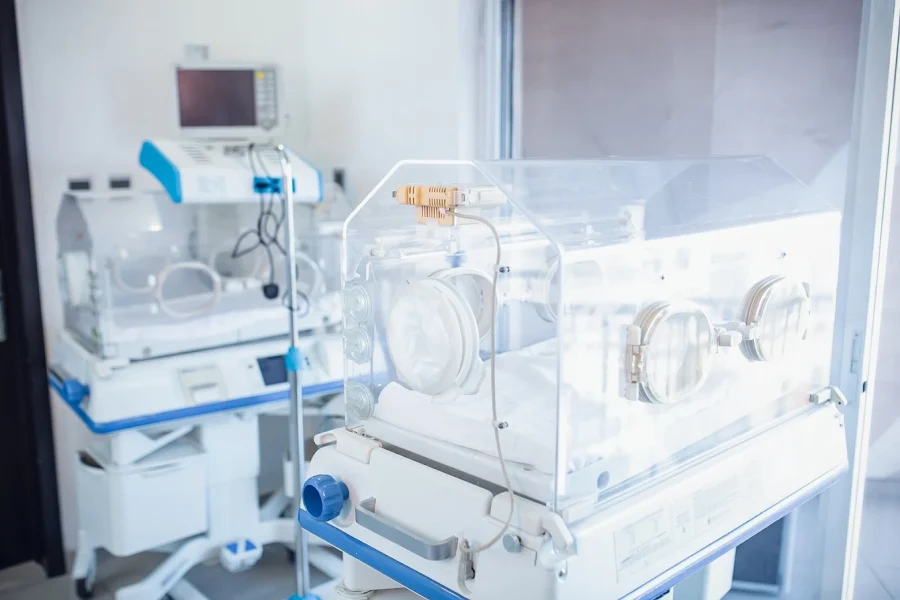
- What They Do: These units provide “supportive care.” They can keep a baby warm in an incubator, treat jaundice with phototherapy, and give antibiotics through an IV.
- A Level II Unit Should Have:
- Pediatricians or Neonatologists involved in care.
- Specialized equipment to monitor heart rate and breathing (apnea monitors).
- A Level II Unit Can Handle:
- Babies born at 32 weeks or later.
- Babies weighing at least 1500g (1.5kg).
- Babies who are recovering from serious illness after “graduating” from a Level III unit.
Level III: Neonatal Intensive Care Unit (NICU)
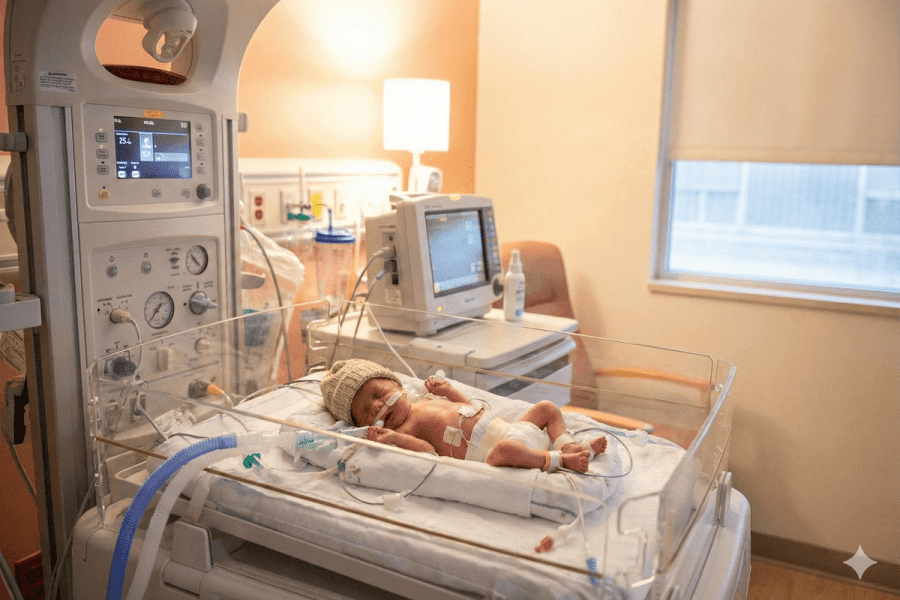
This is true, “Intensive Care.” Level III units are designed for the fighters—babies born very early, very small, or very sick. This is where technology meets critical expertise.
- What They Do: These units provide sustained life support. If a baby’s lungs are too immature to breathe, a Level III NICU has ventilators (breathing machines) to support breathing.
- A Level III Unit Should Have:
- Neonatologists: doctors who specialize in the care ofsick newborns, available 24/7.
- Respiratory therapists and advanced imaging equipment (like portable X-rays).
- A Level III Unit Can Handle:
- “Micro-preemies” born before 32 weeks.
- Babies with severe respiratory distress (RDS) requiring ventilation.
- Critically ill newborns who need long-term admission to grow.
Level IV: Regional NICU (The Highest Standard)
This is the peak of neonatal care. A Level IV NICU does everything a Level III does, but with the addition of advanced surgical capabilities. In many Western countries, these are regional referral centers. In Nigeria, they are rare gems.
- What They Do: These units save babies with complex congenital defects—such as heart malformations or intestinal blockages—that require surgery immediately after birth.
- A Level IV Unit Should Have:
- On-site pediatric surgeons ready to operate.
- Advanced life support systems, such as ECMO (an artificial heart-lung machine for the baby).
- Access to pediatric sub-specialists (cardiologists, neurologists, etc.).
- A Level IV Unit Can Handle:
- The most complex, critical, and rare medical cases.
- Babies who would otherwise not survive in a standard hospital setting.
Outreach Hospital’s NICU: The “Safe Hands” for Lagos
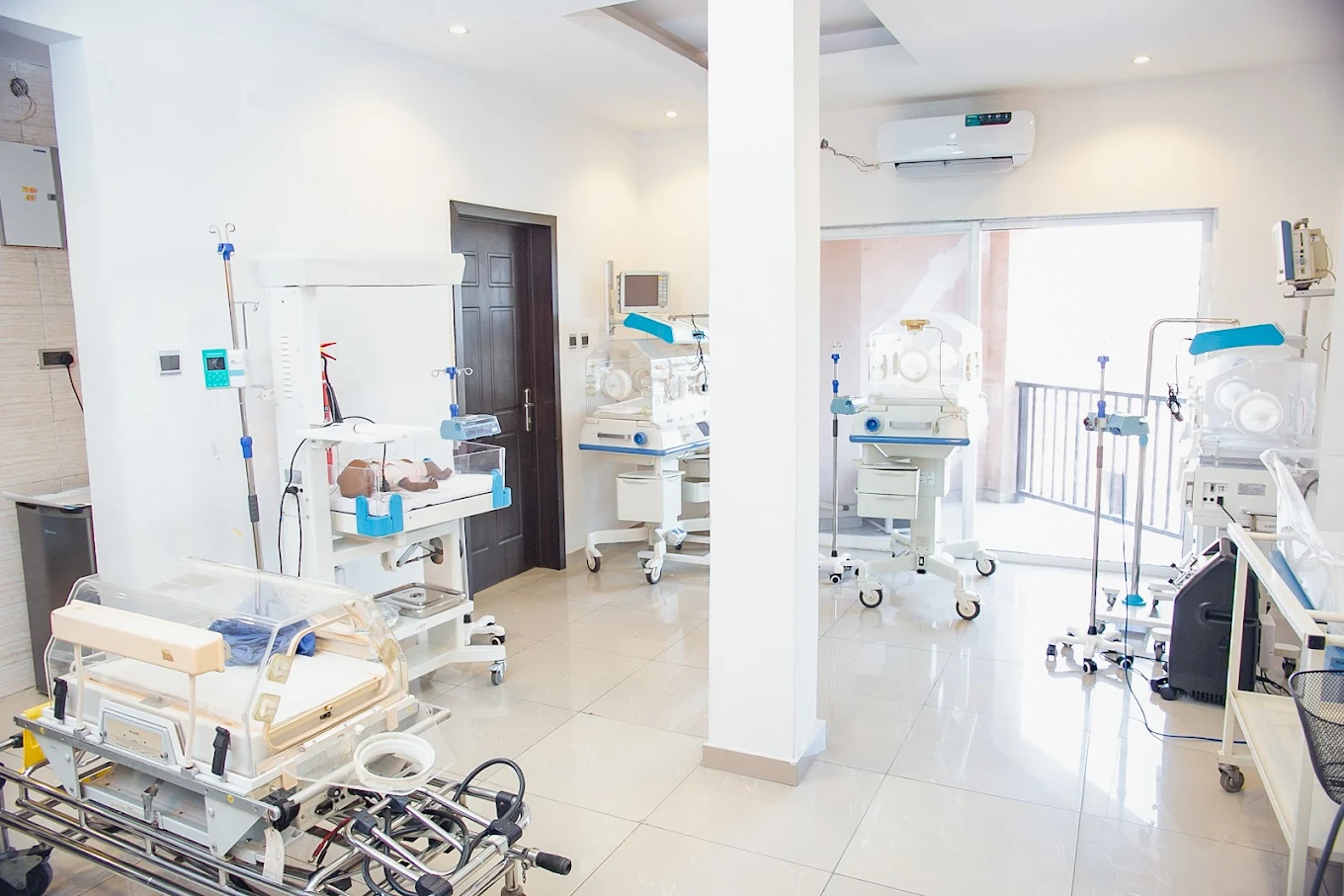
At Outreach Women & Children Hospital, we don’t just deliver babies; we save them. We operate with Level III NICU capacity, meaning we possess the surgical expertise, sub-specialist access, and critical life-support technology required for complex cases.
Our Locations:
- Festac Town: 4th Avenue, Amuwo Odofin.
- Lekki: Osapa London, off Jakande Roundabout.
- Okota: Ago Palace Way axis.
Why Outreach is Different:
- The Pedigree: Our clinical approach is led by Dr. Efunbo Dosekun, a Senior Pediatrician with over 40 years of practice in the UK and Nigeria. We bring international standards to Lagos.
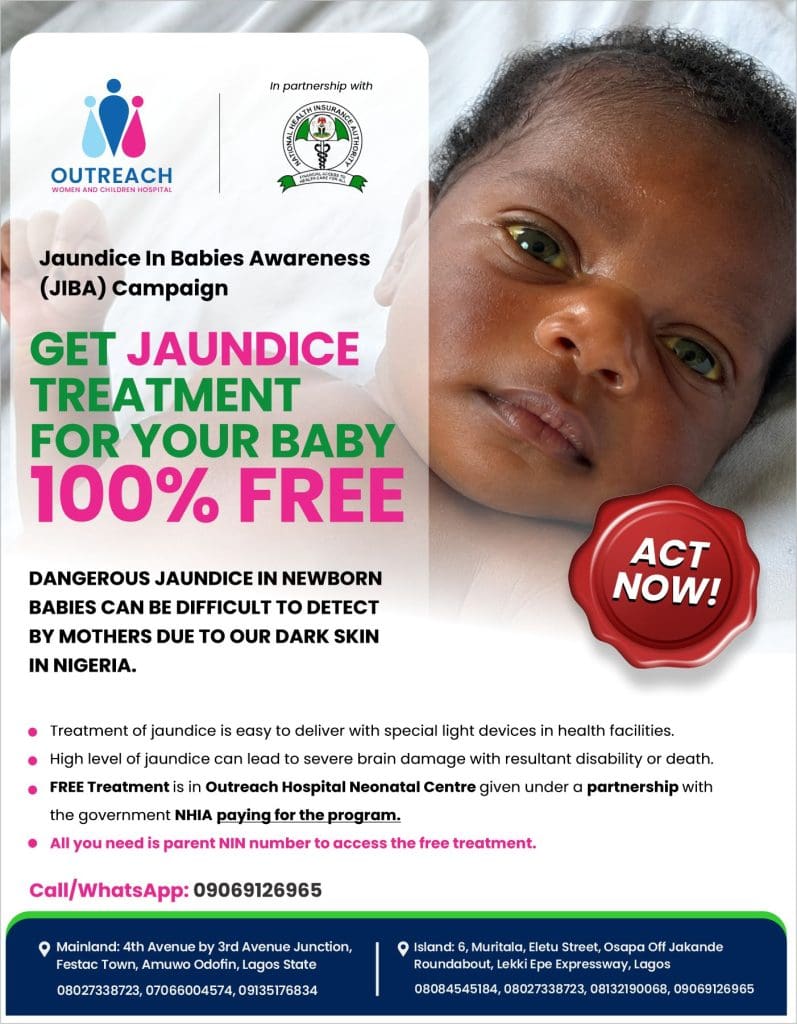
- Access for All: We are the only private hospital in Lagos with the NHIA CEmONC concession. This means that for vulnerable families, world-class Level III care for preterm babies is financially accessible—you don’t have to be a millionaire to save your baby’s life.
Conclusion
No parent plans for their baby to end up in the NICU. But in a country like Nigeria, hope is not a strategy—preparation is.
Knowing the difference between Level I and Level IV care empowers you to make the right choice. Don’t wait for an emergency to ask the ICU level your chosen hospital has.
Choose the Safe Hands – Outreach Women & Children Hospital, or save our emergency numbers today.
24/7 Emergency Lines: 0906 912 6965 | 0913 517 6834 Or Fill the form on: https://outreachhospital.com/nhia-free-neonatal-care